

The half hour that sets your demand charge
A commercial battery only pays back when the meters behind it agree with the utility, the inverter and the fire panel. This is the five-layer stack that makes that happen on a 415 V site.
Storage is a metering problem before it is a battery problem
On a 415 V commercial site the monthly bill is shaped by two numbers a battery can influence: the highest 30-minute average demand recorded in the month, and the energy taken inside each tariff window. A power factor penalty can sit on top of both.
Add rooftop PV and the arithmetic moves. The array generates at the far end of the LV network, the battery charges and discharges on command, and power at the point of connection can reverse inside a single 30-minute interval. If the meter is not on the right side of that boundary, the figure the utility bills and the figure your energy management system reports will not match. Nobody notices until the first settlement.
That is why the hardware order matters: current transformers first, then the meters they feed, then the gateway that carries the data, then protection and power quality, and only then the dashboard.
Five things that quietly break the business case
If the battery, the meter and the monthly report disagree, the client stops believing the savings, and the next phase is cancelled.
Five layers from the split-core CT to the dashboard
Each layer maps to an actual commissioning activity, so the scope can be tendered as a package or picked up one layer at a time.
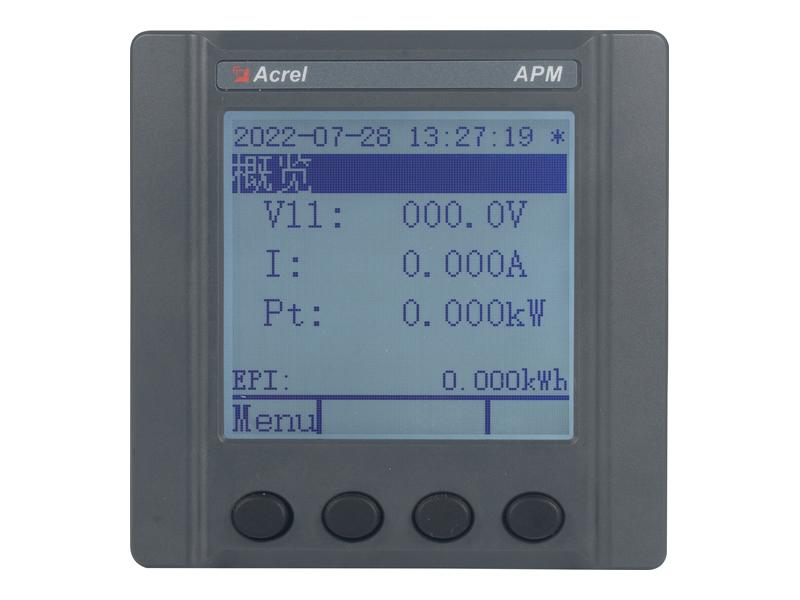
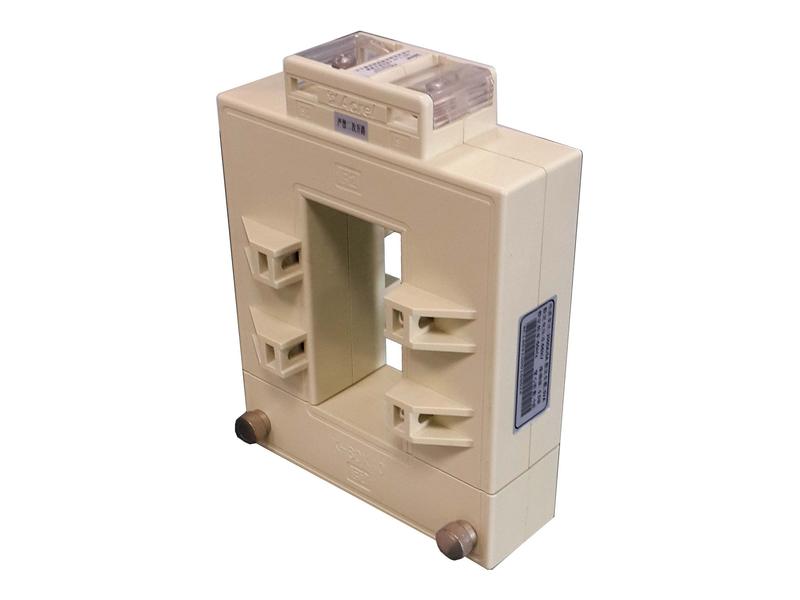
Class 0.5S active energy metering with four-quadrant reactive energy, installed on the incoming supply and on the battery feeder. The APM520 ↗ is the panel meter for that duty. Where the busbar cannot be shut down, AKH-0.66/K split-core CTs clamp around the existing cable without disconnection.
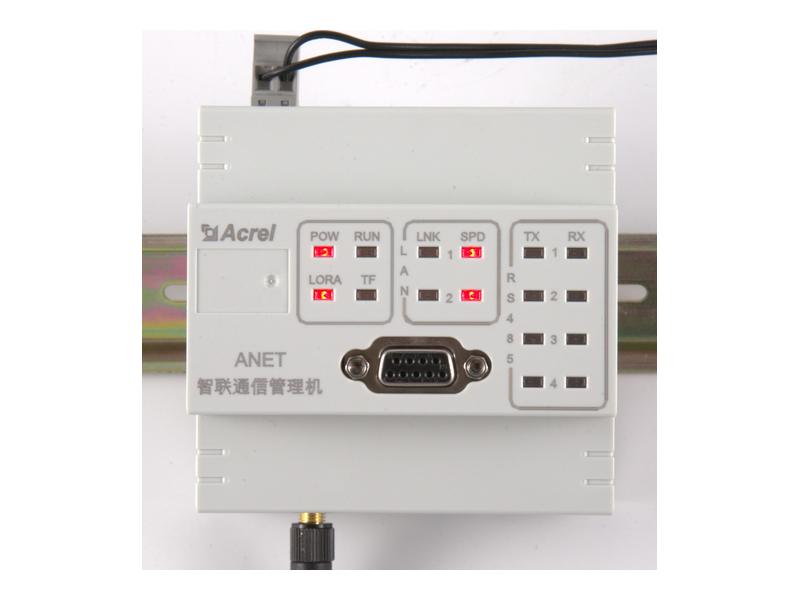
One gateway polls the meters, the BMS and the PCS over RS485, normalises what each vendor calls the same measurement, and publishes a single stream to the platform. The ANet-2E4S1 ↗ and ANet-2E4SM ↗ cover Ethernet sites and remote cabinets that need 4G.
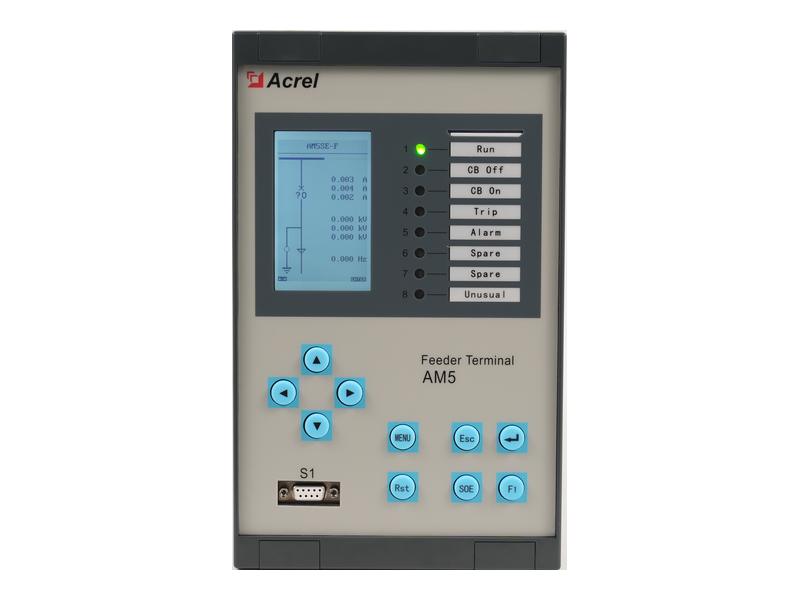
At the point of connection a feeder terminal measures voltage, current and power direction. When reverse power persists beyond the set delay it either opens the battery breaker or signals the PCS to curtail. The AM5SE ↗ family is the relay used for this duty, with the protection logic and the event record in the same device that trips.
↓
Meter
↓
RS485
↓
ANet gateway
↓
Ethernet / 4G
↓
Platform
One timestamp for every value. That is the whole point of the chain.
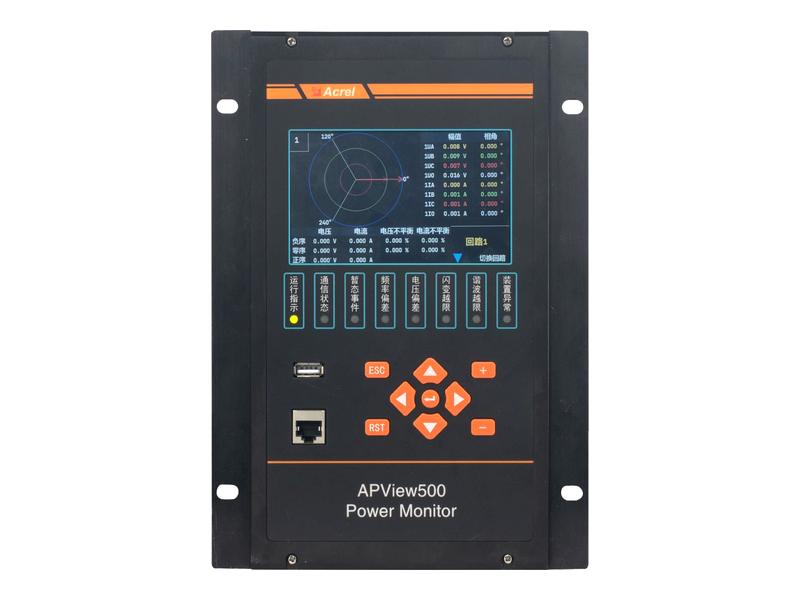
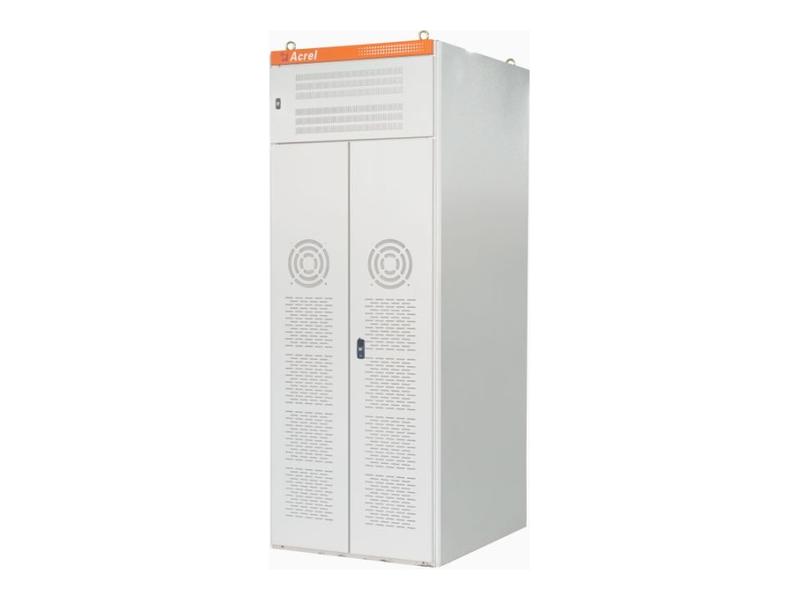
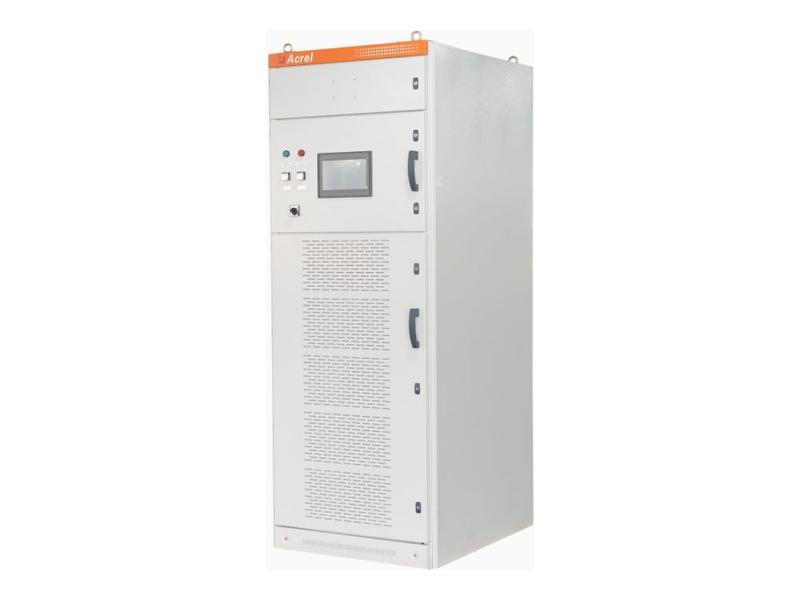
APView500 records harmonics up to the 63rd order and captures voltage dips as waveform files, so the handover report is evidence rather than assertion. ANAPF cancels the low-order harmonics that PCS and VFD loads produce, and the ANSVG ↗ static var generator holds the power factor in range while the battery ramps.
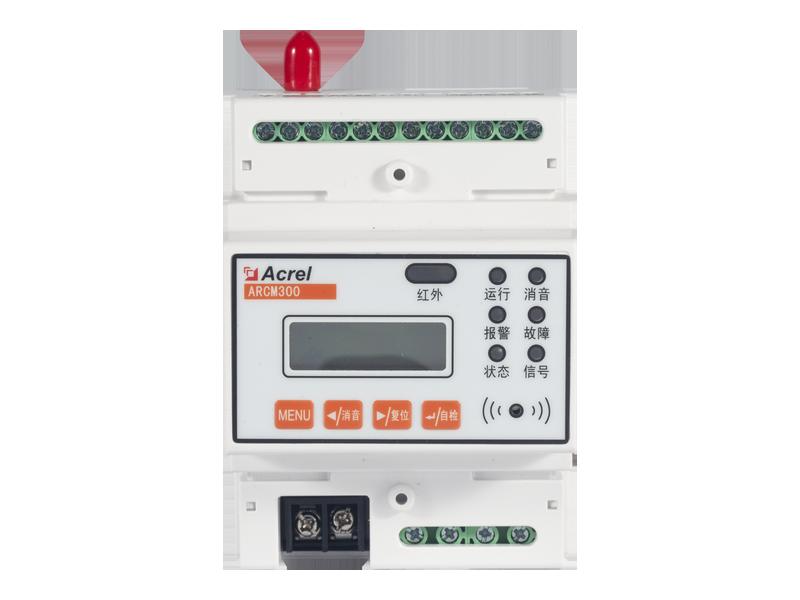
ARCM300-Z monitors residual current and temperature in the container and the LV room, and raises the alarm before a fault becomes a fire. Everything then converges on one screen: the storage management platform ↗ runs the charge and discharge schedule against the demand limit, keeps the alarm log, and prints the monthly report the client actually asks for.
Harmonic filters and the SVG are sized from a measurement, not from a nameplate. Take one week of data at the point of connection before the order is placed.
Four questions worth asking before you sign
Answering these four in writing is most of the difference between a storage project that settles cleanly and one that drags into a second year.
Send the single-line diagram. You get the metering and protection points back, not a brochure.
Tell us the supply voltage, the PV and battery rating, and whether export is allowed at the point of connection. That is enough to mark up the drawing.
Post time: Oct-27-2026


